Anhedonia causes and symptoms are closely tied to drug and alcohol addiction, as well as a number of mental health conditions.
Most people understand the meaning of anhedonia and what it represents, even if they aren’t familiar with the word itself.
The inability to experience joy impacts the lives of many people who are affected by depression, substance abuse, trauma, and other types of mental disorders that make life difficult.
For some individuals, the inability to feel joy may be a reason they turn to drugs or alcohol as a coping mechanism. For others, it is a symptom of addiction or mental illness.
Whatever the case, it’s necessary to understand the causes and symptoms for anhedonia treatment to be effective.
Anhedonia Definition and Meaning
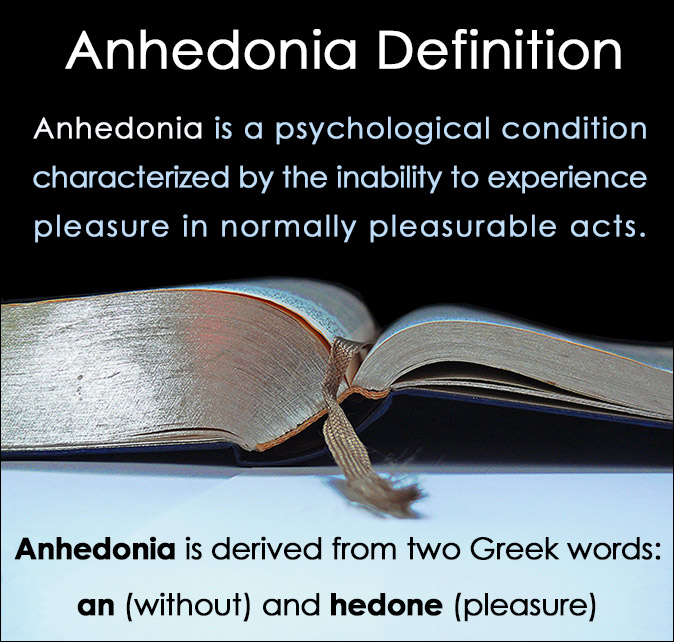
A common anhedonia definition is “a psychological condition characterized by the inability to experience pleasure in normally pleasurable acts,” according to the Merriam-Webster dictionary.
The word, anhedonia, is derived from two Greek words: “an” (without) and “hedone” (pleasure).
Simply put, the most basic anhedonia meaning refers to a lack of pleasure or the inability to feel joy from activities that were once enjoyable.
But it’s much more complex than just being uninterested in normal activities. Anhedonia is a complete lack of joy that has a profound impact on a person’s quality of life, relationships, and overall mental health.
The inability to feel pleasure is a core symptom of many mental health conditions like depression, substance use addiction, PTSD, and others.
Though the term anhedonia is rarely used when discussing symptoms, diagnosis, or treatment, most people are well aware of its meaning and how it feels to not experience pleasure in activities once enjoyed.
Types of Anhedonia
There are two main types of Anhedonia, and while they share similar characteristics, they are experienced in different ways.
1. Physical Anhedonia
Physical Anhedonia involves the inability to feel pleasure from sensory stimuli, such as enjoying food, engaging in physical activities, or sensory experiences like music or being outdoors in nature.
2. Social Anhedonia
Social Anhedonia refers to the inability to experience joy from social interactions and relationships. Individuals with the social form have a difficult time connecting emotionally with others or enjoying social activities.
Anhedonia Causes
Anhedonia can be caused by a wide range of underlying mental or physical health conditions, environmental factors, or neurological changes which contribute to its development.
- Mental health conditions such as depression or PTSD
- Physical health conditions like cancer or chronic pain
- Environmental factors including trauma, chronic stress, or substance use and addiction
- Neurological changes in the brain related to neurotransmitters like dopamine or serotonin
For conditions like depression, anhedonia may simply be a symptom of the condition. For others, such as addiction, it may have been a motivating factor for using drugs or alcohol as a coping technique.
Health Conditions Linked to Anhedonia Causes
1. Major Depressive Disorder (MDD)
Major Depressive Disorder is one of the most prevalent mental health conditions worldwide. MDD is characterized by persistent feelings of sadness, hopelessness, and a general lack of pleasure or interest in previously enjoyed activities.
2. Substance Use Addiction
Substance abuse of alcohol and drugs can change the structure and function of the brain, leading to anhedonia as a symptom of both addiction and withdrawal. As the brain’s reward pathways become affected, it negatively impacts a person’s ability to experience joy or pleasure.
3. Bipolar Disorder
Depression is closely related to bipolar disorder, and the prevalence or severity of anhedonia may be a factor used by healthcare professionals when considering a diagnosis of bipolar.
4. Post-Traumatic Stress Disorder (PTSD)
The effects of trauma on the brain can lead to symptoms of anhedonia. Individuals with PTSD often find it difficult to engage in activities that were once enjoyable due to the emotional numbness associated with traumatic events.
5. Schizophrenia
Schizophrenia is a chronic mental health disorder that affects a person’s thoughts, emotions, and behaviors. Individuals with schizophrenia and anhedonia symptoms find it difficult to engage in activities they previously enjoyed.
6. Chronic Illness
Health conditions such as chronic pain, cancer, or neurological disorders like Parkinson’s disease can be a cause of anhedonia related to a person’s mood and energy levels.
Anhedonia Symptoms
Anhedonia is unique in that it can be a symptom of an underlying condition, and it can also have its own symptoms.
In each case, identifying anhedonia symptoms is necessary for a proper diagnosis and finding effective treatment approaches.
Typical Anhedonia Symptoms Include:
- Lack of Pleasure or Interest in Activities – The inability to experience joy or a noticeable decline in interest for activities that were once enjoyed
- Emotionally Numb – Difficulty experiencing pleasurable emotions which cause a person to feel numb emotionally
- Social Withdrawal – Avoiding social interactions and isolating from friends or family
- Apathy – Being uninterested in goals, accomplishments, or events that would typically produce excitement
- Low Energy Levels – A persistent sense of fatigue or lack of motivation for engaging in any type of activities
- Difficulty Focusing or Concentrating – Impaired cognitive function and reduced ability to focus or concentrate on tasks and decisions
Relationship Between Anhedonia Symptoms and Addiction
Anhedonia is the inability to experience joy or feel pleasure.
Drug and alcohol addiction involves a pattern of compulsive substance use despite negative consequences.
Even though they are considered separate conditions, they often influence each other in significant ways.
Understanding the relationship between a lack of pleasure and addiction is valuable for both individuals struggling with substance abuse, and addiction professionals who provide treatment.
It’s possible for anhedonia symptoms to appear before or after the progression of addiction.
Individuals who struggle with the symptoms may use drugs or alcohol to cope with their inability to experience joy.
Drug or alcohol use can lead to a vicious cycle where the substances disrupt the brain’s reward pathways and stop providing relief, which makes being unable to feel pleasure even worse.
Tolerance and Withdrawal
As addiction progresses, tolerance and withdrawal symptoms further complicate the relationship between a lack of joy and substance use.
A tolerance occurs when the brain and body adapt to the substances, requiring higher doses to achieve the same pleasurable effects.
When a person attempts to quit using drugs or alcohol, he or she experiences withdrawal symptoms that lead to negative physical and psychological effects.
Withdrawal symptoms often include anxiety, depression, and ironically, the inability to feel joy.
During withdrawal, the symptoms can become more intense and lead to severe anhedonia, which increases drug or alcohol cravings that initially provided relief.
As withdrawal symptoms or cravings intensify, it promotes a cycle of addiction that is very difficult to quit.
Anhedonia Treatment Methods
Fortunately, a variety of anhedonia treatment approaches can help individuals regain their ability to experience pleasure and lead a happy life once again.
Effective Treatment Approaches Include:
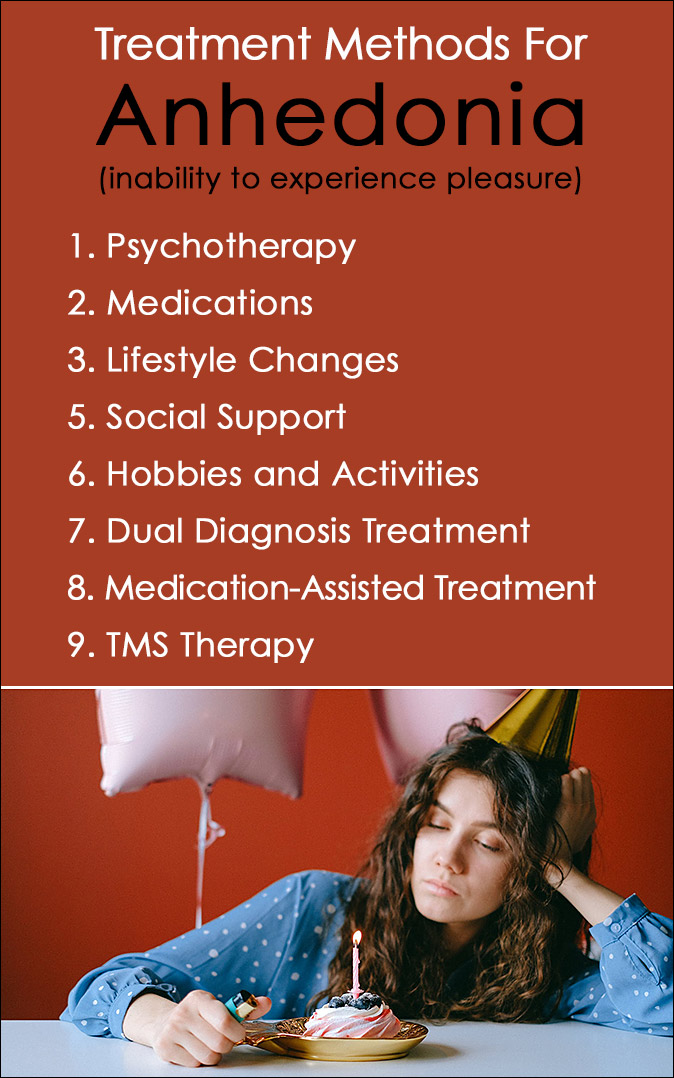
1. Psychotherapy
Cognitive Behavioral Therapy (CBT) is a popular evidence-based therapy that helps individuals identify negative thoughts and behaviors that contribute to the inability to experience pleasure. CBT teaches skills to change unhealthy thought patterns and engage in healthy and pleasurable activities.
Practicing mindfulness and meditation helps individuals stay in the present moment to focus away from negative emotions.
2. Medications
Antidepressants like Selective Serotonin Reuptake Inhibitors (SSRIs) and other medications work to regulate neurotransmitters in the brain and reduce the symptoms of anhedonia.
Antipsychotics can be helpful for people with mental health conditions like schizophrenia. This type of medication management may also be beneficial for overcoming the symptoms.
3. Lifestyle Changes
Exercise and regular physical activity naturally increase endorphins that enhance mood and have a positive impact on experiencing joy and pleasure.
A nutrient-rich, healthy diet can increase serotonin to improve brain functioning and a person’s mood.
Quality sleep is recognized as one of the three pillars of health and promotes healthy brain functioning and emotional well-being.
5. Social Support
Nurturing relationships and spending time with friends and loved ones reinforces emotional support and strengthens positive social interactions to feel joy again.
Support groups create a positive sense of community and belonging with like-minded individuals.
6. Hobbies and Activities
Participating in activities that were once enjoyable helps to gradually rewire the brain’s reward system over time to find pleasure in the activities once again.
Exploring new interests, hobbies, or activities is sometimes easier to find joy than rewiring the brain to find pleasure in old experiences.
Impact of Addiction on Treatment
While the anhedonia treatment methods outlined above can be effective for people with many forms of mental illness, the inability to experience joy may pose additional challenges during addiction recovery and treatment.
When a person decides to address his or her substance use addiction, the inability to experience feel pleasure can make the recovery process even more difficult.
Activities that were once enjoyable become unfulfilling and cause stress or anxiety during recovery that may increase the risk of relapse.
As an individual abstains from using substances, brain neurochemistry will gradually stabilize. But the process can take time depending on the substance used, the frequency, and length of time it was used.
Unfortunately, the brain’s rewiring doesn’t happen overnight, and individuals may still experience symptoms, even as their overall well-being improves. This can be discouraging and create doubt about the effectiveness of treatment.
Integrated Addiction Treatment Approaches
Recognizing the relationship between anhedonia causes and addiction is important for identifying appropriate treatment strategies.
Integrated treatment approaches that address both addiction and underlying mental health issues will offer the most successful outcomes.
Specialized Addiction Treatment
1. Dual Diagnosis Treatment
Dual Diagnosis Treatment addresses both addiction and co-occurring mental health conditions, such as depression or anhedonia, at the same time. Treating both issues simultaneously offers the best chance for a successful recovery.
2. Medication Assisted Treatment (MAT)
Medication Assisted Treatment combines behavioral therapies with medications to ease withdrawal symptoms and reduce cravings during detox and inpatient recovery. MAT has proven to be the most effective form of treatment for opioid addiction and can also help with the inability to experience joy during recovery.
3. TMS Therapy
TMS Therapy for addiction, also known as Transcranial Magnetic Stimulation, is a groundbreaking therapy that is successful for treatment resistant depression symptoms, addiction, and other mental health issues.
Whether originating from mental health disorders, substance use addiction, chronic illness, or trauma, anhedonia causes and symptoms can have a profound effect on an individual’s emotional health and quality of life.
The relationship between overcoming a loss of joy and addiction can complicate recovery and requires an integrated treatment approach that addresses both the substance use and the underlying emotional factors.
Seeking professional help and being open and honest about the issues with healthcare providers can restore the ability to experience pleasure again and promote a healthy and successful recovery.
Anhedonia FAQs
What is anhedonia?
Anhedonia is a persistent loss of interest or the inability to experience joy from activities that were once enjoyable, such as hobbies, social interaction, music, or eating certain foods.
It is common in conditions such as depression, bipolar disorder, PTSD, schizophrenia, addiction, and diseases like cancer.
Is anhedonia the same as depression?
Even though anhedonia is one of the main symptoms of depression, it is not the same as depression.
Depression is a mental health condition with emotional, behavioral, and physical symptoms that affects a person’s mood and daily living.
As a symptom of depression, anhedonia causes an inability to feel joy or pleasure from previously enjoyable activities.
It’s possible for an individual to experience depression with or without anhedonia symptoms.
Can you have anhedonia without being depressed?
Yes, it’s possible to have anhedonia without being depressed.
Anhedonia can be experienced independently by itself, or as a symptom of depression, anxiety disorders, stress, trauma, substance use, chronic pain, neurological issues, and other physical or mental illnesses.
Anyone who experiences chronic anhedonia symptoms should get a proper medical diagnosis to identify the causes and most effective treatment approaches.
How common is anhedonia?
Anhedonia is a fairly common mental health symptom of depression, schizophrenia, anxiety, and substance use disorders.
Some studies estimate as many as 70% of people with depression experience anhedonia as a symptom.
How long does anhedonia last?
The duration of anhedonia will vary for each individual and is often dependent on its root cause and treatment approaches.
Anhedonia caused by situational depression is usually temporary and short-lived, whereas persistent depressive disorder can last for years.
Substance use disorders can lead to an inability to feel pleasure that may endure until a person gets sober in recovery.
Successful treatment for the condition causing anhedonia usually results in healing and recovery for both issues.
Will anhedonia go away on its own?
It’s possible for anhedonia that is independent of other conditions to go away on its own.
For severe and persistent anhedonia, seeking treatment early will alleviate the symptoms more quickly and reduce the chances they become worse.
When anhedonia is caused by other conditions such as depression, it’s necessary to treat the underlying condition and anhedonia together for recovery.